How to Use AI Without Losing the Human Edge in Your Business
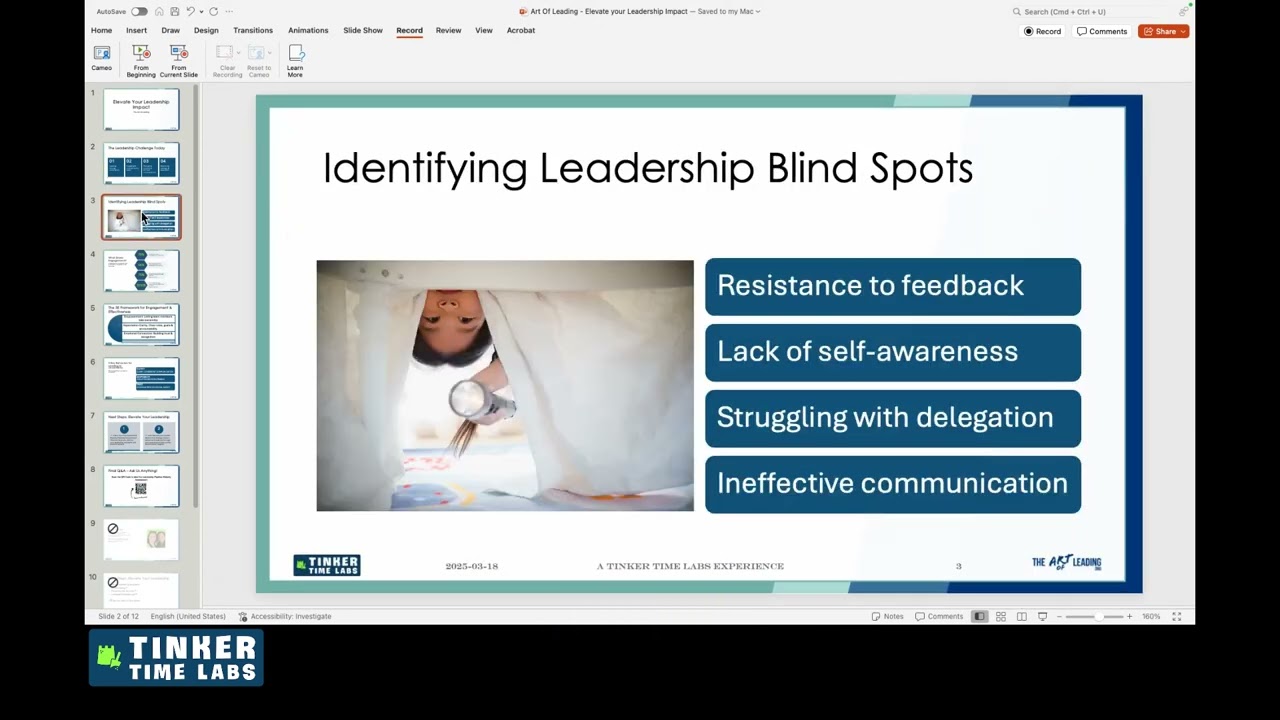
In this behind-the-scenes Office Hours Insight session, Leigh-Anne Nugent and Lisa share how they used AI to help build a webinar, from shaping the framework to drafting slides and talk tracks. But the bigger lesson is not just about speed. It is about knowing where AI helps, where human judgment must step in, and how to use both to create stronger, more thoughtful work.
LESSONS YOU CAN TAKE FROM THIS:
1. AI can accelerate the framework, but it cannot replace discernment
One of the clearest insights from this session is that AI can help generate structure fast. It can suggest agendas, slide flow, and starting points for content. But getting from “usable draft” to “strong final product” still takes critical thinking, editing, and human decision-making.
2. Humanizing digital transformation is still the real differentiator
Leigh-Anne and Lisa highlight something many teams miss: AI may get you 70 to 90 percent of the way there, but the last stretch matters most. That final layer includes voice, brand, accuracy, design judgment, audience relevance, and the nuance that makes content feel real instead of generic.
3. Better outputs come from knowing your tools
This conversation is not just about using AI—it is about learning how and when to use the right tool for the job. Whether it is ChatGPT for structure, Canva for visual inspiration, or PowerPoint for reshaping content, stronger work comes from understanding each tool’s strengths, limits, and role in the process.
4. Transparency builds trust in AI-assisted work
Another smart takeaway here is the importance of being honest about how AI is used. Instead of pretending AI-generated work appeared flawlessly on its own, the session makes it clear that the real value comes from collaboration, refinement, and human oversight. That kind of transparency matters for trust, credibility, and quality.
KEY TAKEAWAYS:
AI is powerful for structure, momentum, and first drafts.
Human judgment is what turns AI output into meaningful work.
Great presentations still require editing, branding, and audience alignment.
The right tool matters just as much as the right prompt.
AI works best when it supports human expertise, not replaces it.