How Tinkerers Turn Real-Life Ideas Into AI-Powered Apps
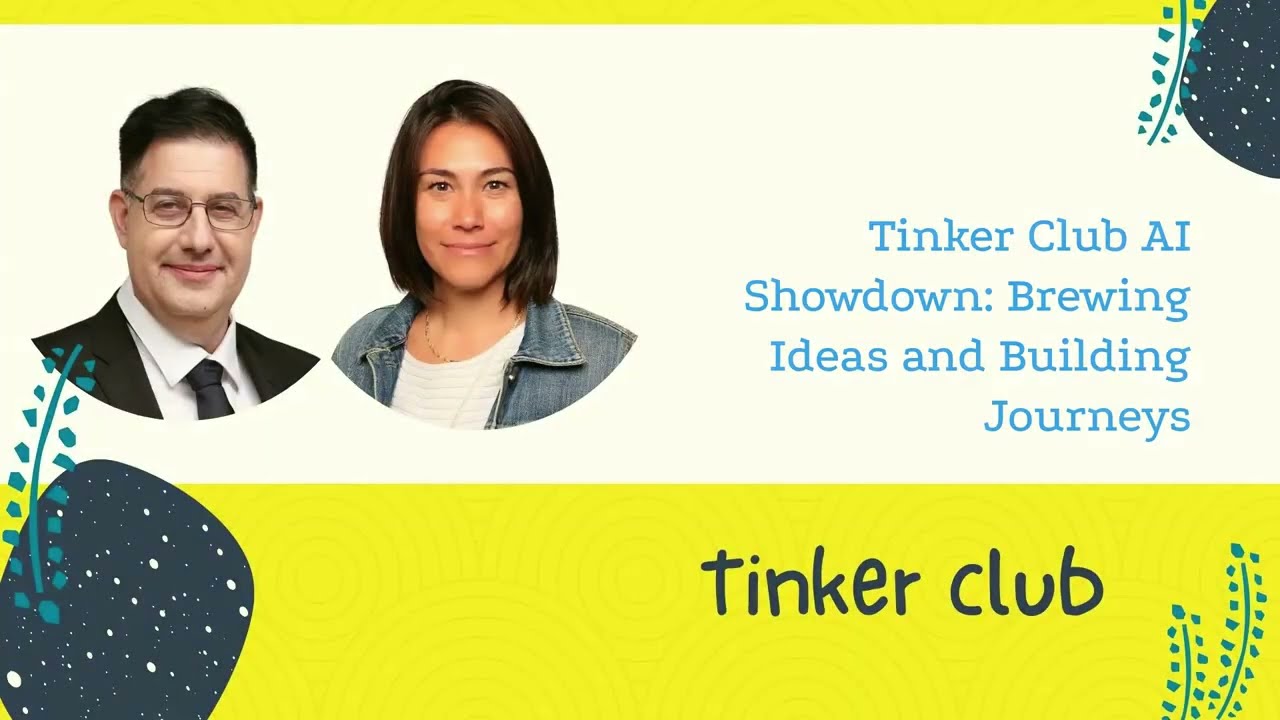
In this Tinker Club session, Leigh-Anne Nugent and Micah Adler share two live examples of modern building in action: a coffee community app and a sabbatical itinerary planner. What makes this conversation valuable is not just the speed of the tools, it is the way they use AI to turn personal ideas into working prototypes, then push beyond the first draft to improve UX, flow, and real-world usefulness.
LESSONS YOU CAN TAKE FROM THIS:
1. Great app ideas often start with real life
Both projects in this session come from genuine personal interests: Micah’s love of coffee culture and Leigh-Anne’s plan for a future sabbatical. That matters because the best early prototypes often come from problems, dreams, or experiences you already understand deeply. When the use case is real, the build has more direction from the start.
2. AI can get you to a working prototype fast
This conversation shows how tools like Emergent and Lovable can help builders move from idea to functional app quickly. Whether it is a review-based coffee community or an itinerary builder that maps destinations and trip goals, AI dramatically shortens the time between concept and something you can actually test.
3. The real work starts after the first version
A prototype that works is exciting, but it is only the beginning. Leigh-Anne highlights the next layer clearly: improving card behavior, cleaning up JSON output, making the app mobile-friendly, refining the user flow, and thinking through collaboration, journaling, and future integrations. That is where a fun build starts becoming a useful product.
4. UX decisions shape whether people will actually use it
One of the strongest takeaways here is that interface choices matter. A timeline layout, swipe behavior, expandable cards, maps, and the ability to compare or collaborate on itineraries all influence whether the app feels intuitive. The same is true for Brew Buddy, community, reviews, and discoverability are what make it more than just another idea.
KEY TAKEAWAYS:
Personal passion can be a powerful starting point for product ideas.
AI builders make it easier than ever to prototype real concepts quickly.
A working prototype still needs refinement before it becomes a strong user experience.
Mobile design, interaction flow, and collaboration features matter early.
Tinkering is not just about building fast, it is about learning what to improve next.