Why Tinkerers Learn in Public and Build Momentum Faster
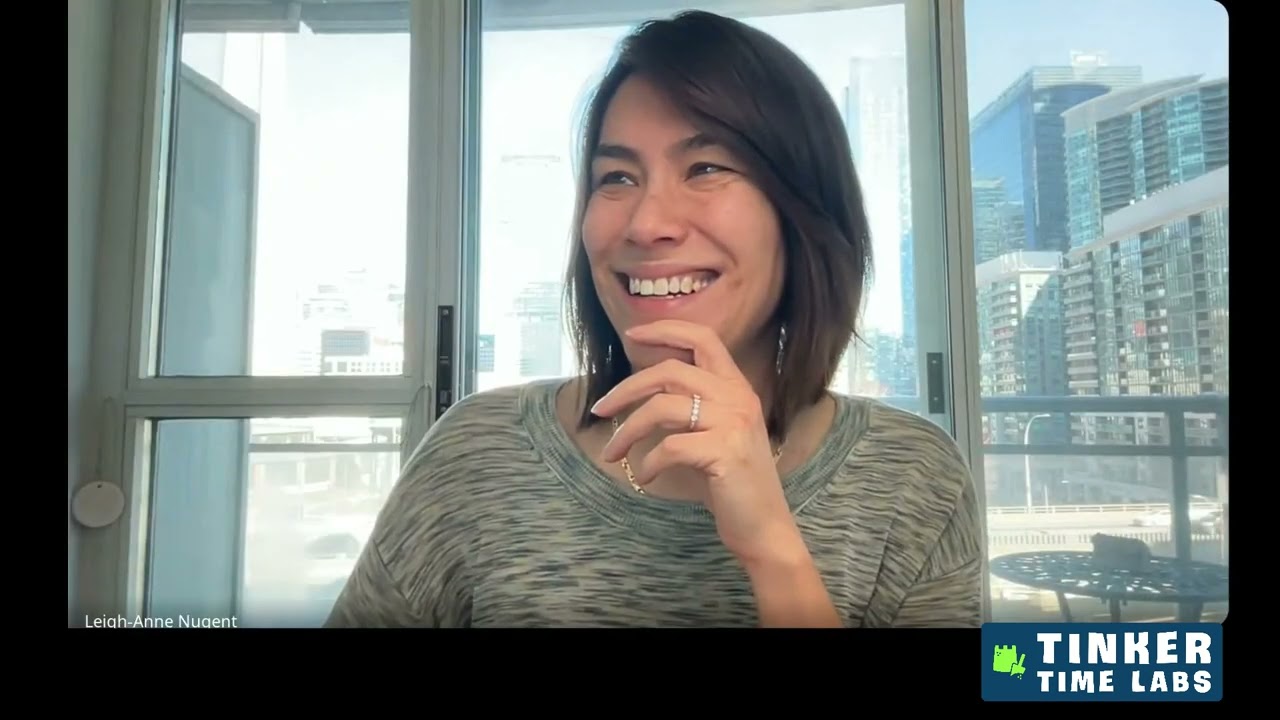
In this Office Hours Insight session, Leigh-Anne Nugent and Micah share what modern tinkering really looks like: attending events, building community, testing content, learning new tools, and staying current in a fast-moving tech world. It is a practical conversation about visibility, experimentation, and why growth often comes from learning out loud instead of waiting until everything feels polished.
LESSONS YOU CAN TAKE FROM THIS:
1. Building in public creates momentum
One of the strongest themes in this conversation is that progress grows when you share what you are learning and building as it happens. Whether it is posting on LinkedIn, showing work in progress, or starting conversations at events, visibility helps attract feedback, connections, and new opportunities.
2. Community helps ideas move faster
From networking events to Discord channels, this session shows that innovation does not happen in isolation. The right communities can spark partnerships, open doors, and give you the feedback loop you need to keep refining what you are building.
3. Lifelong learning is part of the job now
Leigh-Anne and Micah talk honestly about what it takes to stay current across tools like Salesforce, AI platforms, Coursera, Descript, Discord, and GoHighLevel. The bigger lesson is clear: in tech, learning is not a side task. It is part of staying relevant and creating future opportunities.
4. You do not need perfect clarity to keep moving
This conversation is a reminder that not every experiment will stick, and not every message will be fully refined on day one. But motion matters. Testing content, trying tools, tracking what works, and adjusting as you go is often how clarity is built in the first place.
KEY TAKEAWAYS:
Building in public helps create visibility, feedback, and traction.
Communities and events can lead to real collaboration and opportunity.
Consistent learning is essential in fast-changing technology spaces.
Content creation becomes easier when you share what you are already doing.
Experimentation works best when you track what is sticking and what is not.